Residential vs. Commercial Garage Doors: What’s the Difference—and Which One Do You Need?
A garage door does more than open and close.
It guards your tools. Protects your car. Keeps your family or business secure. And sometimes? It’s the first thing people notice when they pull up to your property.
So when it’s time for a new one, the question comes up: Should you get a residential or commercial garage door?
They might look similar at first glance, but they’re built for totally different needs.
And that’s where we come in. At Shank Door, we’ve spent decades helping homeowners, builders, and business owners across Pennsylvania find the perfect garage door for their space. Whether you need something stylish for your home or strong enough to handle daily deliveries, we’ll help you get it right the first time.
In this guide, we’ll walk you through the key differences between residential and commercial garage doors. From design to durability, function to cost—you’ll leave knowing exactly what to look for.
Let’s get into it.
Table of Contents






Residential vs. Commercial Garage Doors: The Basics
At a glance, they both roll up. They both close down.
But residential and commercial garage doors are not created equal.
Here’s a simple breakdown:
Residential Garage Doors
These are the doors you see on home garages. They’re designed for curb appeal, moderate daily use, and seamless integration with your house’s exterior.
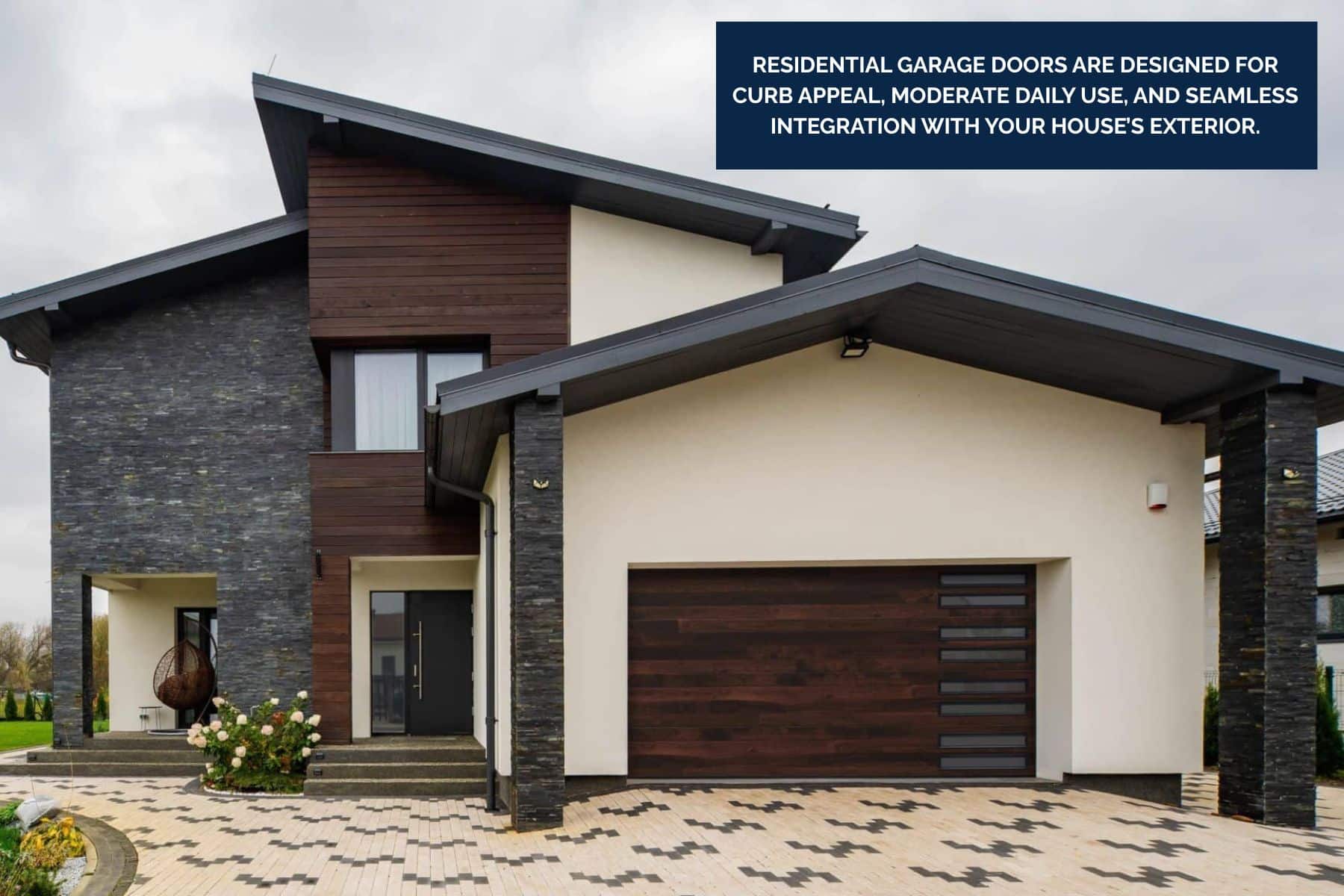
Most residential garage doors are:
- 7 to 8 feet tall and 8 to 16 feet wide
- Made from materials like steel, wood, aluminum, or composite
- Opened just a few times per day
- Often include windows, panel designs, or color customization for a finished look
Want to browse options? Check out our full residential garage door lineup to see styles that fit your home.
Commercial Garage Doors
These doors are built for business. Think loading docks, fire stations, auto shops—places where doors work hard, all day long.
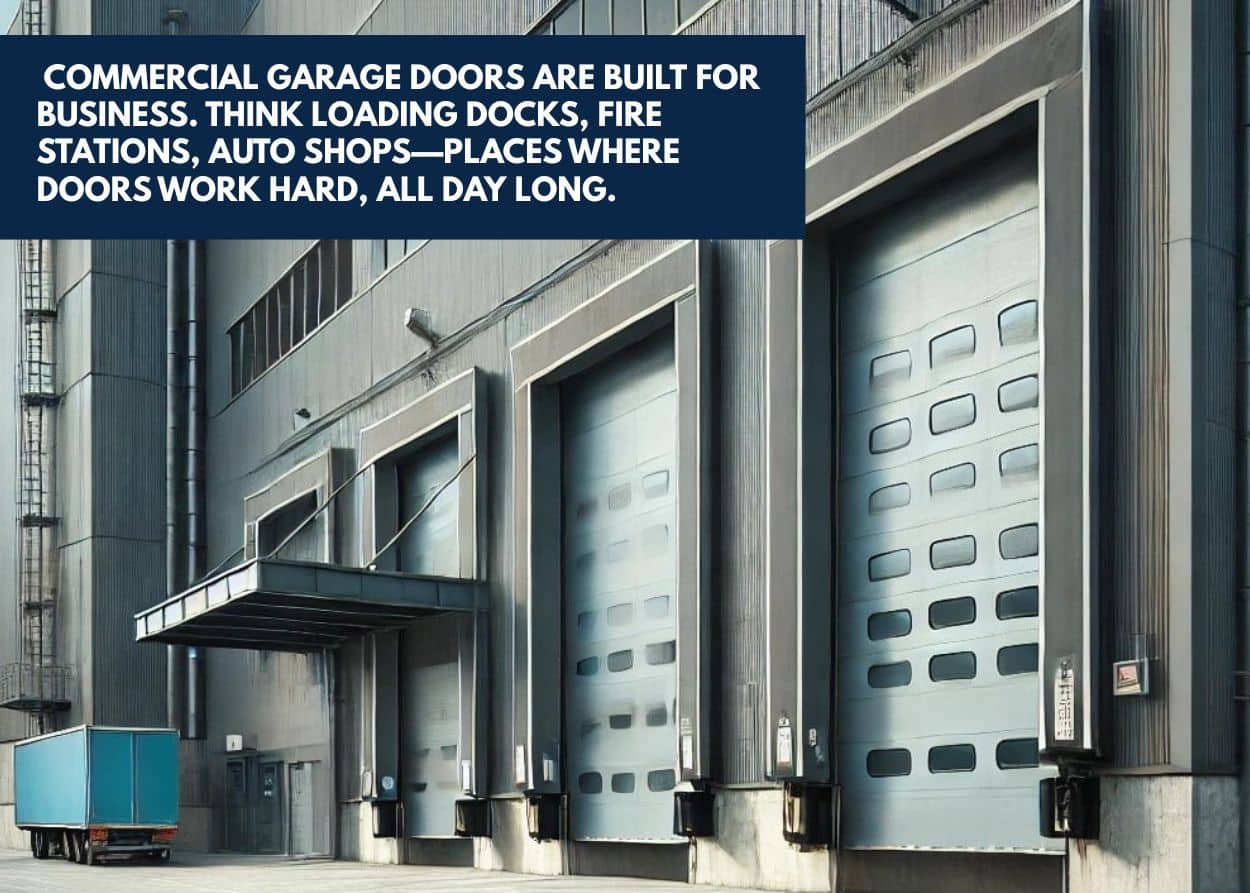
Commercial garage doors are:
- Taller and wider (often over 12 feet high)
- Built from heavy-duty steel or aluminum
- Equipped for high-frequency use (sometimes hundreds of cycles a day)
- More focused on function than form—though custom branding is an option
We carry a wide range of commercial garage door solutions, from rolling steel doors to sectional overheads that can handle serious wear and tear.
Still unsure what qualifies as “commercial grade”? This guide from Raynor breaks it down even further from a manufacturer’s perspective.
Up next, we’ll explore how design and appearance set these doors apart—and how much that should factor into your decision.
Design & Appearance: Form Follows Function
Let’s face it—looks matter.
Especially on your home. A residential garage door isn’t just functional—it’s a major part of your exterior aesthetic. It can add charm, match your trim, or even boost your home’s resale value.
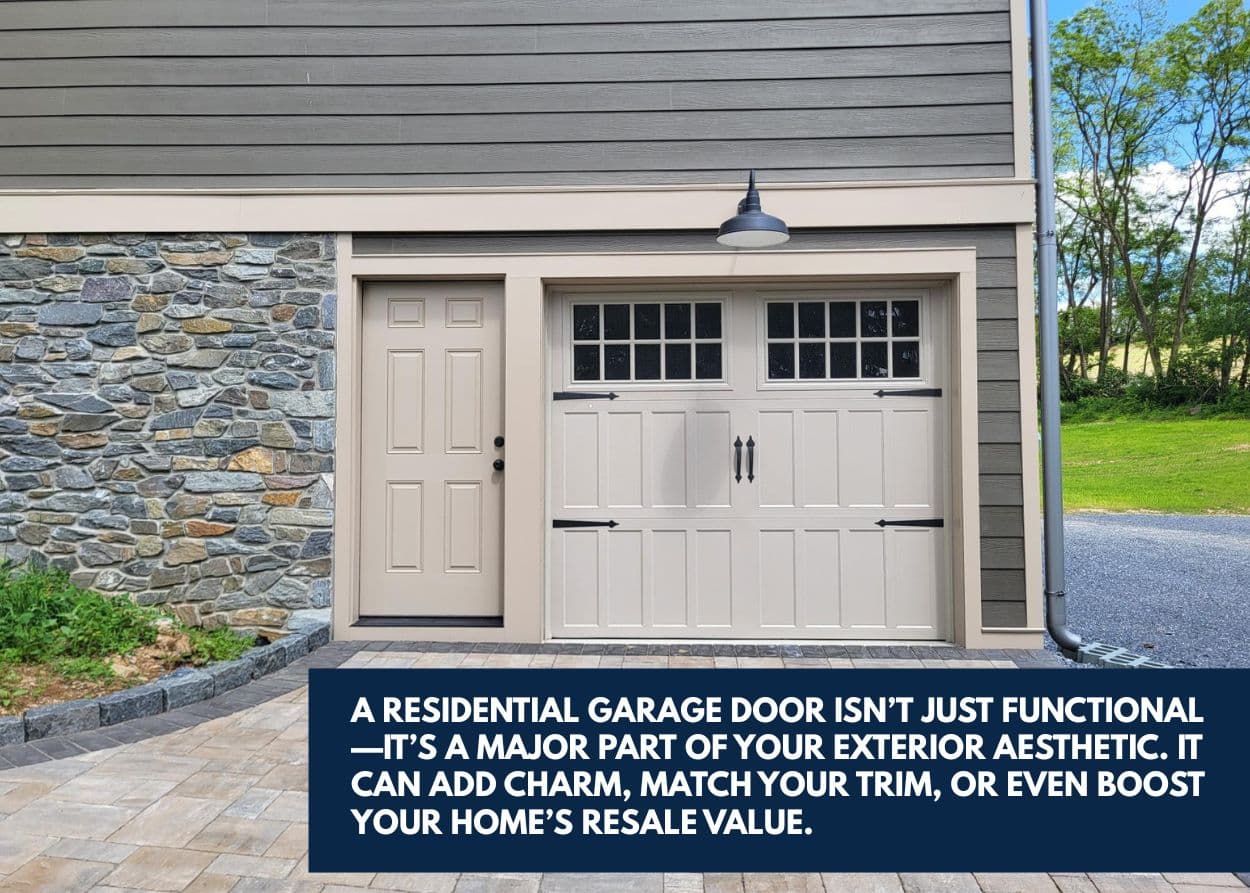
Residential Doors: Style that Speaks
These doors are made to be seen. They often have window panels, woodgrain finishes, carriage-house flair, or sleek, modern lines.
At Shank Door, we carry a range of customizable options from trusted brands like Wayne Dalton and Clopay. You can choose from:
- A variety of panel styles
- Decorative hardware
- Color-matching to your home’s trim or siding
- Optional glass inserts for natural light
We even wrote a blog post exploring the various styles of garage doors—worth checking out if you’re mid-renovation.
Commercial Doors: Built to Blend (or Brand)
Now shift to the commercial side. Design still matters—but function takes the front seat.
Most commercial garage doors are simple and sturdy. You’ll often see:
- Solid panels without windows
- Industrial-grade finishes
- Neutral colors (white, gray, tan)
- A focus on clean lines and efficiency
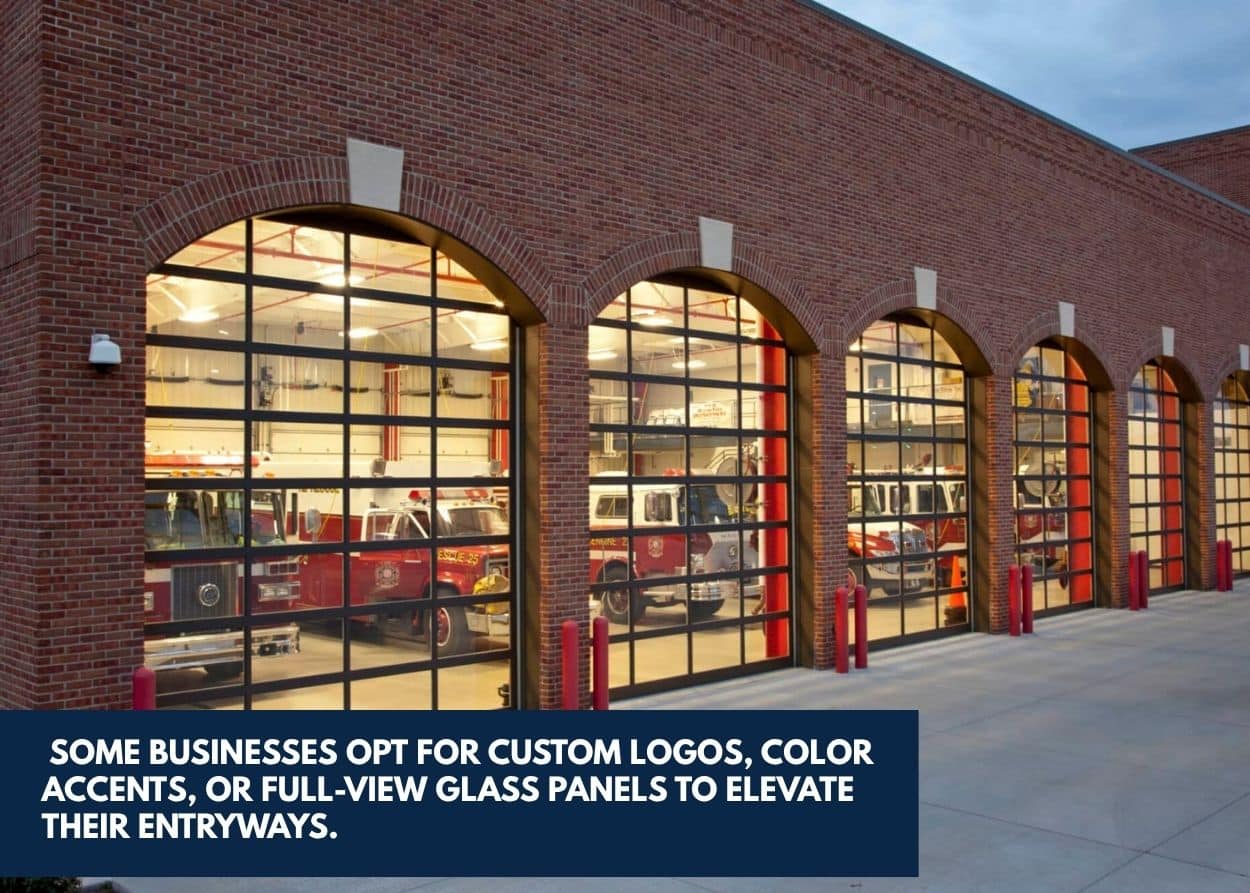
But here’s the thing—branding is possible. Some businesses opt for custom logos, color accents, or full-view glass panels to elevate their entryways. These are businesses like auto dealerships or trendy microbreweries with visible workspaces behind the doors.
Need something specific? Our team can help you find a commercial door that balances function and presentation. Again, you can browse our commercial products here.
Still exploring style trends? The Amarr blog has a great round-up of current design ideas for 2025.
Next up, we’ll get into the nuts and bolts—literally—as we compare materials and durability.
Materials & Durability: Built for the Job
You can’t talk garage doors without talking materials.
Because whether you’re looking for beauty or brute strength, the material you choose affects everything—from how long your door lasts to how well it handles the elements.

Residential Garage Doors: Balance of Form and Function
For homes, it’s all about striking a balance. You want something sturdy—but also stylish. Most residential doors fall into one of these categories:
- Steel: Durable, affordable, and comes in a wide range of styles. Often layered with insulation for extra energy efficiency.
- Wood: Classic charm with natural beauty. Requires regular maintenance but offers unmatched curb appeal.
- Aluminum: Lightweight and rust-resistant. Great for modern designs, especially when paired with glass panels.
- Composite (faux wood): The best of both worlds—wood-look design with lower upkeep.
At Shank Door, we carry models from Amarr and other top brands that are built to handle Pennsylvania’s seasons—whether it’s summer sun or winter salt spray.
Commercial Garage Doors: Strength You Can Count On
When it comes to commercial spaces, durability isn’t optional. These doors open dozens—sometimes hundreds—of times a day. They need to hold up to constant use, forklift bumps, harsh weather, and even chemical exposure in industrial settings.
Most commercial doors are made of:
- Heavy-gauge steel: Maximum impact resistance and security
- Aluminum and glass: Ideal for showrooms and fire stations—strong yet see-through
- Insulated steel panels: Combine thermal efficiency with structural muscle
We install a full range of commercial-grade doors designed for long-term performance—even in high-demand environments.
Need help choosing the right material for your climate? This garage door materials guide from Clopay breaks down pros and cons in simple terms.
Next up, we’ll explore how these doors function beyond just going up and down—including insulation, security, and smart features.
Functional Features: Built for Different Demands
A garage door doesn’t just sit there. It works. Hard.
But how it works—and what it’s built to handle—can vary a lot depending on whether it’s for a home or a business. Let’s break it down.
Insulation: Comfort vs. Climate Control
- Residential: For homeowners, insulation often means better comfort and lower energy bills, especially if your garage is attached to the house or doubles as a workshop or home gym.
- Commercial: For businesses, insulation can be crucial for keeping goods at stable temperatures or improving energy efficiency in large buildings.
At Shank Door, we offer insulated options with high R-values from brands like Clopay and Amarr. Need something with commercial-grade thermal performance? Check out our sectional insulated commercial doors.
Security: What Are You Protecting?
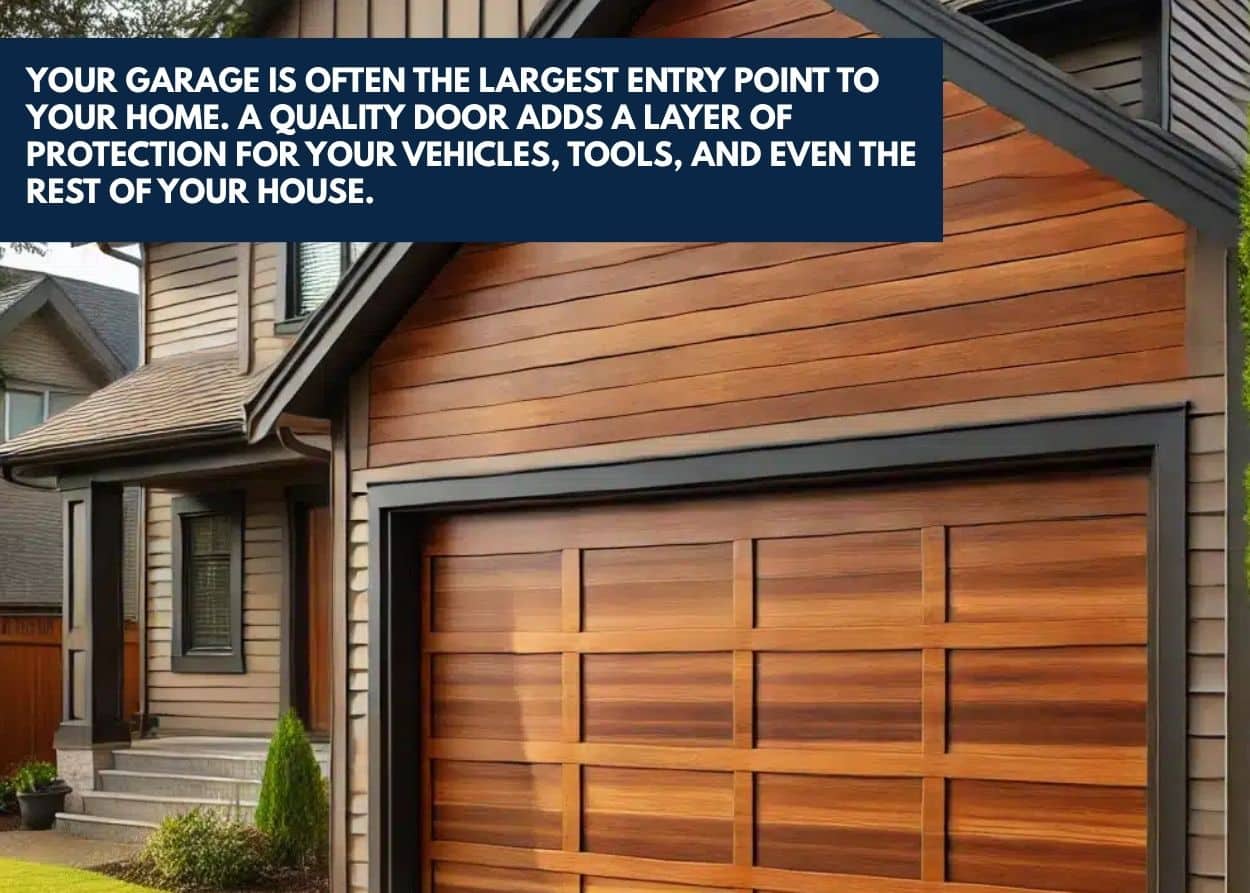
- Residential: Your garage is often the largest entry point to your home. A quality door adds a layer of protection for your vehicles, tools, and even the rest of your house.
- Commercial: Think bigger. Equipment. Inventory. Company vehicles. Commercial doors often come with reinforced panels, tamper-resistant features, and upgraded locking systems.
Want to boost home security? National Association of REALTORS® (NAR) notes that smart locks provide homeowners “a degree of security and peace of mind that most home-automation devices simply do not.”
Usage Frequency: Daily Use vs. Nonstop Action
- Residential: Most home garage doors open 3–5 times a day. Standard hardware is built for that.
- Commercial: High-traffic doors need high-cycle springs, heavy-duty rollers, and stronger openers—sometimes rated for 25+ cycles per hour.
Not sure what kind of wear-and-tear your situation calls for? Our team at Shank Door can help you spec out a system that fits your usage.
Smart Features: Tech for Every Setting
- Residential: Smartphone control, motion-activated lights, voice assistants—these are popular upgrades for homeowners.
- Commercial: Remote monitoring, access scheduling, and integrated building security systems help keep operations running smoothly and securely.
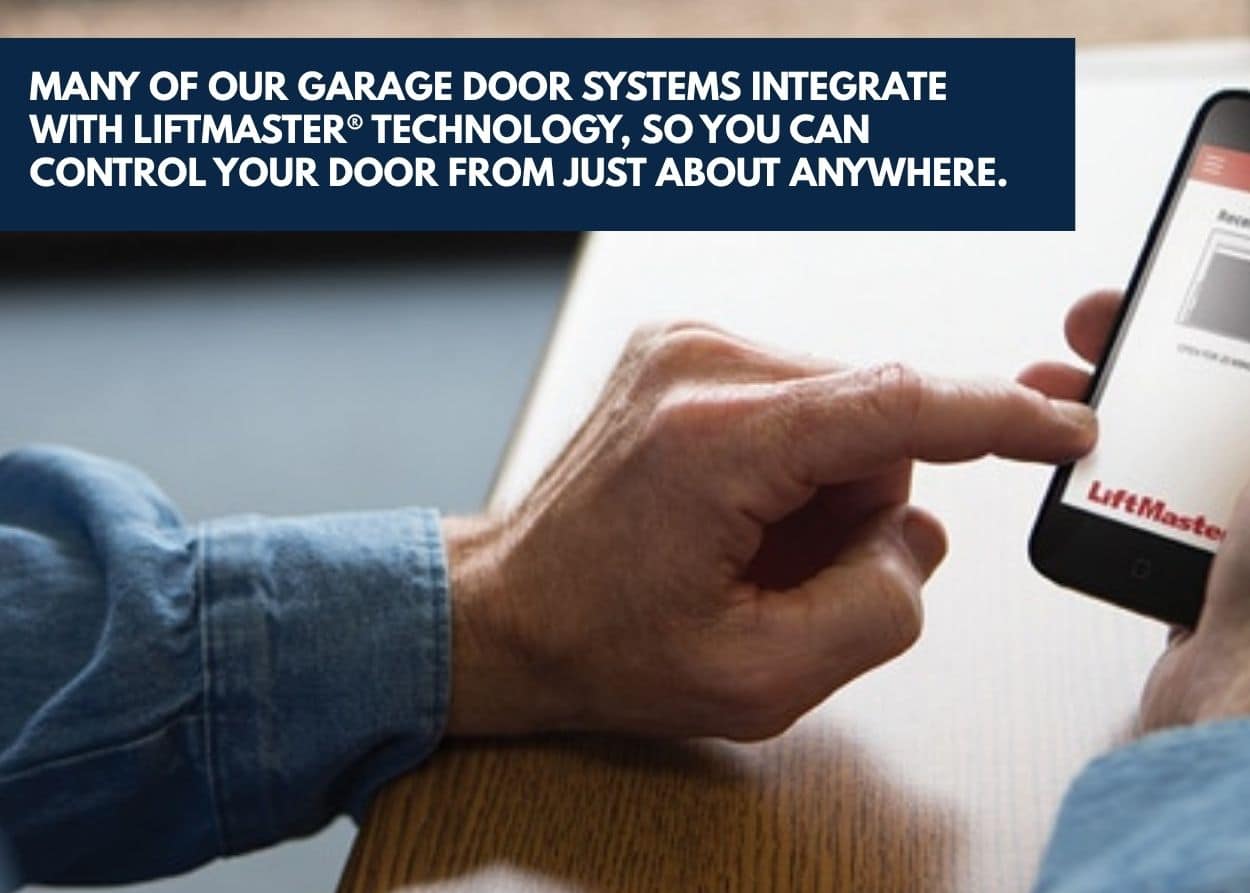
Many of our garage door systems integrate with LiftMaster® technology, so you can control your door from just about anywhere.
Now, let's talk dollars and logistics—what to expect when it comes to installation, cost, and maintenance.
Installation, Cost, and Maintenance: Know What You’re In For
By now, you’ve seen how residential and commercial garage doors look and function differently. But here’s another angle that matters—what it takes to install and maintain them. And, of course, how much they’ll cost.
Installation: Complexity Depends on the Door
- Residential doors are generally quicker to install. Most go up in a day or less, especially when handled by experienced pros.
- Commercial doors, on the other hand, are heavier, taller, and often require custom mounting solutions, industrial openers, or safety compliance for your building type.
We’ve handled everything from tight-space residential installs to full warehouse setups. If you’ve got a unique situation, we’d be happy to help you figure it out.
Cost: It’s About More Than the Price Tag
Garage door costs vary widely. Here's a rough idea:
- Residential doors: $800–$4,000+, depending on size, style, material, and insulation
- Commercial doors: $1,500–$8,000+ based on size, lift system, and added features
Of course, you get what you pay for. And quality doors can save you money down the line in energy efficiency and fewer repairs. Want a more precise quote? We offer free estimates tailored to your project.
For a broad view of national averages, check out this garage door cost guide from HomeAdvisor.
Maintenance: A Little Goes a Long Way
No matter the type, routine maintenance is key to keeping your garage door running safely and smoothly.
- Residential: Seasonal checks, spring and cable inspections, and light lubrication. Many homeowners can handle basic upkeep, but we recommend a professional tune-up once a year.
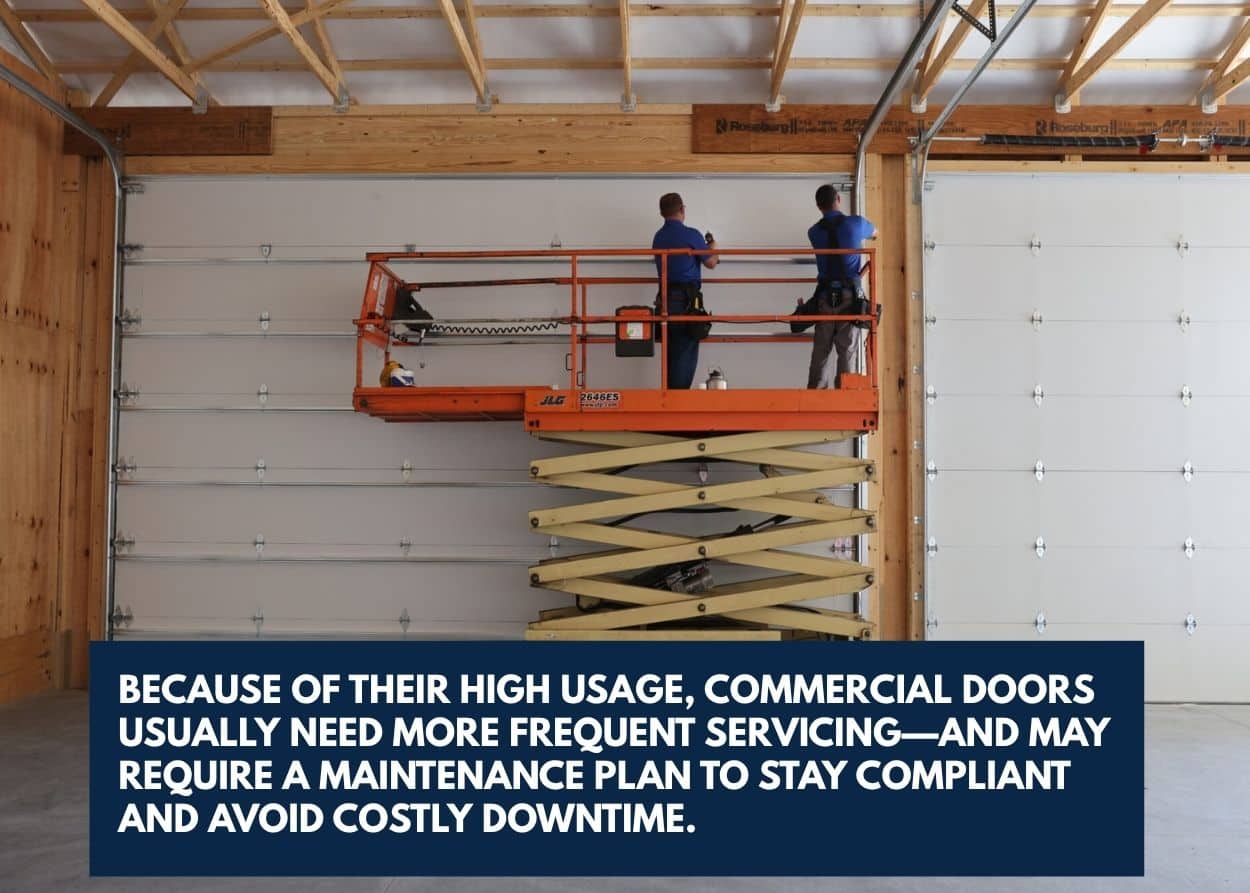
- Commercial: Because of their high usage, commercial doors usually need more frequent servicing—and may require a maintenance plan to stay compliant and avoid costly downtime.
We offer garage door repair and service plans to keep both homes and businesses running smoothly. Whether it’s a busted spring or a noisy opener—we’ve seen it, and we fix it fast.
Bottom line? The more your door does, the more it needs. And we'd like to help you stay ahead of the curve.
Next up, let’s figure out which type of door actually fits your space and situation.
Which Garage Door Is Right for You?
So now you’re asking: Which type do I need?
Here’s the short answer—it depends on what your space demands.
Ask yourself these quick questions:
- How often will the door be used?
A few times a day? Residential is probably fine. Opening 30+ times daily? You’ll need commercial-grade hardware. - What’s behind the door?
Family cars and storage bins? Go residential. Expensive equipment, work vehicles, or temperature-sensitive goods? Commercial. - Does appearance matter?
Want something that matches your shutters and boosts curb appeal? Residential wins. Need it to look clean and professional—or maybe blend in with your warehouse? Commercial’s got you. - What’s your budget (short and long term)?
Residential doors are generally more affordable up front. But if you're running a business, investing in a heavy-duty commercial system could save you money over time.
Bonus Tip:
Sometimes the line between residential and commercial blurs. For example:
- A hobbyist running a woodworking shop out of their detached garage might benefit from a commercial-grade door for durability.
- A stylish auto shop might want a residential-inspired glass panel door for a sleeker look.
If you're not quite sure where your setup fits, don’t sweat it. We’re here to help.
Contact our team at Shank Door and we’ll help you assess your space, your needs, and your budget. We’ve helped thousands of homeowners and business owners across Pennsylvania get the right door—the first time. We don’t do pushy sales. Just honest advice, solid products, and reliable service.
Not sure what you need?
Reach out here to talk with one of our garage door experts. We’ll walk you through your options, give you a free estimate, and make the whole process as smooth as possible.
Because whether you’re building a dream home or running a busy shop, your garage door should work for you.
If you appreciated this guide, you might also be interested in reading: